Aviation Switching Module – NSN 4920-01-250-2696 (AS-IS / Untested): Aircraft Switching Equipment for Parts or Evaluation
Aviation Switching Module – NSN 4920-01-250-2696 (AS-IS / Untested): Aircraft Switching Equipment for Parts or Evaluation
Blog Article
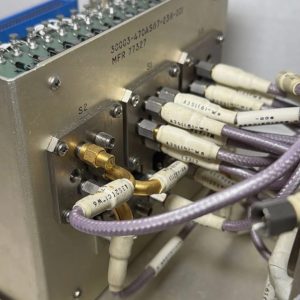
The Aviation Switching Module – NSN 4920-01-250-2696 (AS-IS / Untested) is a specialized aerospace electrical component offered for professional evaluation, restoration, testing, parts recovery, collection, or another suitable non-assumed application.
An Aircraft Switching Module and Aerospace Switching Module should be treated as specialized equipment rather than universal components that can be connected to any aircraft electrical system.
An Aircraft Electrical Switching Module, Aviation Electrical Control Module, Aircraft Power Switching Module, Aerospace Electrical Control Unit, and Aircraft Signal Switching Module may describe related switching or control functions, but the exact purpose of this NSN should be verified before use.
The Aviation Control Module may be associated with a larger Aircraft Electronic Switching System, while the Aerospace Switching Unit and Aircraft Electrical Module should be inspected before connection or installation.
Why NSN Verification Matters
The National Stock Number provides an important catalog reference that can help buyers research the item’s supply history, technical identity, related part numbers, and possible equipment application.
Complete identification increases the value of the Aviation Switching Module for restoration, research, inventory management, or component evaluation.
AS-IS Aerospace Equipment Considerations
The condition description should be understood as a limitation rather than a suggestion that the unit is probably operational.
A current-limited and controlled test setup may be appropriate when selected by qualified personnel.
Choosing an Aircraft Switching Module
The actual role depends on internal circuitry, switch configuration, connector pinout, associated system design, and technical documentation.
A detailed visual inventory supports informed evaluation of the Aircraft Switching Module.
Aerospace Switching Module Construction
Age, handling, impact, humidity, temperature changes, contamination, and long-term storage can affect both mechanical and electrical condition.
Protective caps should remain installed during storage and shipping when available.
Aircraft Electrical Switching Module Inspection
Discoloration near connectors or switches may indicate electrical heat, chemical exposure, or ordinary aging and should be investigated.
Methodical inspection protects the integrity and research value of the Aircraft Electrical Switching Module.
Aircraft Electrical Control Applications
Professional research should occur before any attempt to connect the Aviation Electrical Control Module.
Aggressive solvents, scraping, click here repainting, or polishing may remove original information.
Evaluating Aerospace Power Hardware
A switch that moves normally may still contain burned, corroded, welded, or high-resistance electrical contacts.
Missing covers or barriers may expose conductive points and increase handling risk.
Choosing an Aerospace Electrical Control Unit
Visual inspection, continuity checks, insulation review, component identification, and controlled testing may form part of a professional evaluation.
Every repair should be photographed and recorded if the module is restored.
Maintaining Aircraft Interface Hardware
An incorrect connection may damage sensitive electronics even when the module itself receives little power.
Original cable assemblies may add significant value when included.
Aviation Module System Integration
An Aviation Control Module should be treated as one component within a larger system rather than a standalone universal controller.
A matching NSN or housing does not always confirm identical internal configuration when modifications or supersessions exist.
Commercial Value of an Untested Switching Unit
Detailed condition reporting supports fair commercial evaluation.
Training use should avoid destructive modifications when the component has collectible or restoration value.
Aircraft Electrical Distribution Hardware
A module should not be loaded electrically until contact condition, insulation, wiring, and circuit configuration are understood.
Preserving the original structure protects the Aerospace Power Distribution Module and its resale value.
Aircraft Module Functional Evaluation
Dust and surface dirt can often be removed carefully, but aggressive cleaning may damage labels, seals, finishes, or electrical parts.
Unknown circuits should not receive voltage simply because a connector pin appears to be a power input.
Untested Aviation Power Equipment
An Aviation Power Control Module can have specialized applications within aircraft systems, aerospace ground equipment, maintenance platforms, or test installations.
Technicians should inspect for capacitors, transformers, relays, damaged insulation, or hazardous residues before opening or testing the unit.
Aviation Switching System Troubleshooting
A systems approach supports more accurate troubleshooting and restoration.
Intermittent switching problems can result from worn contacts, damaged connectors, corrosion, weak relays, cracked solder joints, unstable power, or harness faults.
Preserving Military Aviation Equipment
Proper storage helps preserve the Aerospace Switching Unit for testing, restoration, or collection.
The module should be enclosed in a moisture-resistant protective layer and placed inside a strong outer carton or suitable shipping case.
Buying AS-IS Aviation Electronics
The potential cost of connectors, manuals, test equipment, repairs, components, and specialist labor should be included in the buying decision.
Unknown information should remain clearly identified as unknown.
NSN 4920-01-250-2696 Buying Checklist
The AS-IS and untested condition should appear clearly within the title, description, invoice, and transaction terms.
- Request photographs of all labels, switches, controls, connectors, mounting points, enclosure surfaces, seals, fasteners, and included accessories.
- Arrange qualified technical evaluation whenever condition, internal status, or testing requirements remain uncertain.
- Report shipping damage, missing accessories, identification differences, undisclosed repairs, or altered condition promptly.
Evaluating an Untested Electrical Module
Every connection should be documented before power is applied.
Test results should identify which circuits or functions were checked and which remain unknown.
Aircraft Electrical Module Repair Planning
Professional restoration can improve the usability and value of the Aerospace Switching Module.
Every repair should record the date, technician, fault found, parts replaced, measurements, testing performed, and remaining limitations.
Selecting a Surplus Aerospace Switching Unit
For the right purchaser, the unit can offer a useful foundation for technical research, controlled troubleshooting, component recovery, or legacy-equipment restoration.
Buyers should request detailed photographs, accurate AS-IS disclosures, technical research, secure transaction terms, protective shipping, and qualified evaluation where appropriate.
Whether the requirement is an Aircraft Switching Module, Aerospace Switching Module, Aircraft Electrical Switching Module, or Aviation Electrical Control Module, exact identification should guide the purchase.
With verified identity, careful inspection, protected storage, safe bench procedures, organized documentation, and qualified technical review, the module can provide lasting specialist value.
Report this page